
When Is the Best Time to Visit Turkey?
If you’re planning a trip to Turkey, one of the first questions you’ll probably ask is simple: when is the best time to go?
For most travelers, the sweet spot is spring (April to June) or fall (September to October). The weather is comfortable, the crowds are manageable, and it’s much easier to actually enjoy exploring.
But here’s the thing. Turkey is a big, diverse country, and the experience can feel completely different depending on when and where you go.
Some people come for beach towns along the Mediterranean. Others want long, walkable days in Istanbul or to see Cappadocia at sunrise.
The best time to visit really depends on the kind of trip you want.
| Travel Style | Best Time to Visit |
| First time visitors | April to June, September to October |
| Sightseeing and historic sites | Spring and Fall |
| Beaches and coastal towns | June to September |
| Budget travel | November to March |
| Cappadocia balloon rides | April to June, September to October |
Spring in Turkey (April to June)
Spring is widely considered one of the best times to visit Turkey, especially for first time visitors.
Temperatures are mild, landscapes are green, and flowers begin to bloom across much of the country. Cities like Istanbul feel especially lively during these months, with parks filling with people and outdoor cafés coming back to life after winter. It’s one of those times where everything just feels easy to be outside.
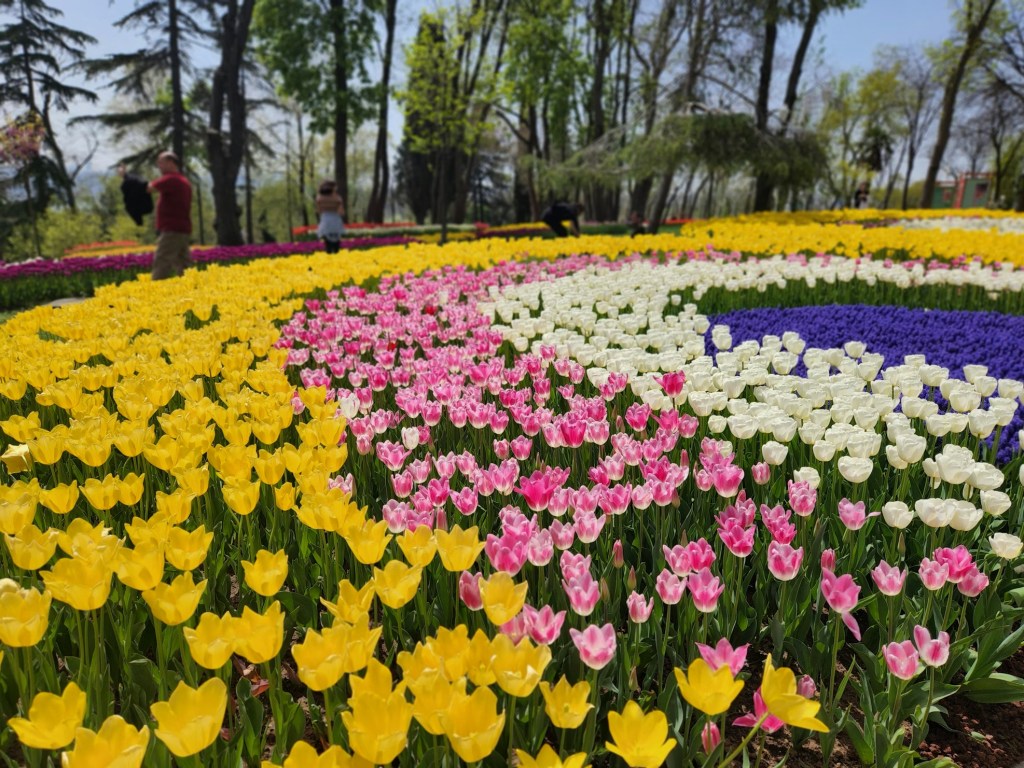
Spring is also one of the most comfortable seasons for sightseeing. Exploring historic neighborhoods, visiting mosques and museums, or wandering ancient ruins like Ephesus is far easier when the weather is not too hot.
April also brings one of Istanbul’s most beautiful traditions: tulip season. Millions of tulips bloom throughout the city, filling parks and public spaces with bright colors.
Spring is also a wonderful time to visit Cappadocia. The weather is usually ideal for hiking through the valleys, and clear mornings often mean great conditions for hot air balloon flights.
Travel tip:
Spring weather can change quickly, especially in Istanbul. Packing a few layers will help you stay comfortable throughout the day.
Summer in Turkey (July to August)
Summer is peak tourist season in many parts of Turkey, especially along the Mediterranean and Aegean coasts.
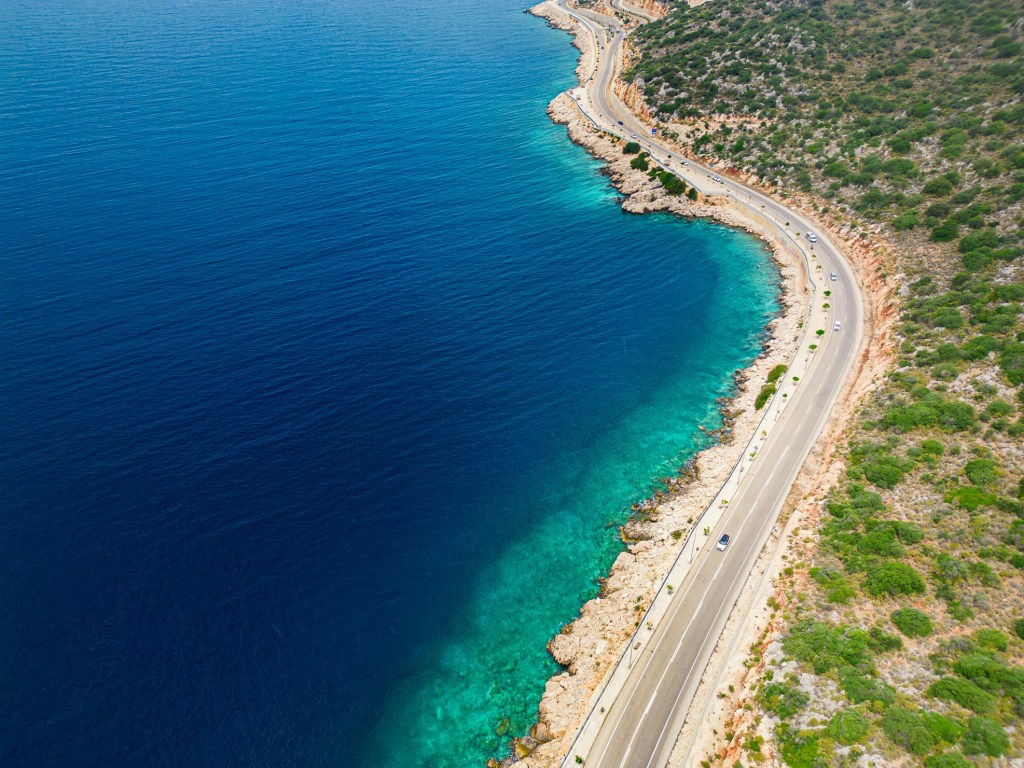
This is when beach destinations like Bodrum, Antalya, and Fethiye come alive. Long sunny days, warm sea water, and lively nightlife make these coastal towns popular summer escapes.
If your dream trip involves swimming, boat tours, and relaxing by the water, summer can be a great time to visit.
However, inland cities can become very hot during these months. Temperatures in places like Istanbul and central Turkey often climb into the high 80s or 90s Fahrenheit, which can make sightseeing in the middle of the day pretty exhausting, especially if you’re not used to the heat.
Travel tip:
Plan outdoor sightseeing early in the morning or later in the evening when temperatures are cooler.
Fall in Turkey (September to November)
Fall is another excellent season for visiting Turkey and is often a favorite among experienced travelers and once you see it, it’s easy to understand why.
The intense heat of summer begins to fade, but the weather remains warm enough for exploring cities, historic sites, and natural landscapes.
September and October are particularly appealing because the summer crowds begin to thin out while the weather stays pleasant. Coastal areas are still warm enough for swimming, and cities like Istanbul feel relaxed and comfortable.
Fall is also harvest season in many parts of Turkey, which means local markets and restaurants often feature fresh seasonal produce.
In places like Cappadocia, the landscapes shift from green to warm shades of gold and red as autumn arrives, creating beautiful scenery for hiking and photography.
Travel tip:
Early fall still feels like summer along the coast, while late fall tends to be quieter and less crowded.
Winter in Turkey (December to March)
Winter travel in Turkey can feel very different from the other seasons, but it has its own unique appeal.

In Istanbul and other northern regions, temperatures are cooler and rain is more common. However, winter also brings fewer tourists and a quieter atmosphere in major cities. Museums, historic sites, and neighborhoods feel much more relaxed compared to peak season.
In central Turkey, winter can create dramatic scenery. Cappadocia often receives snowfall, covering its famous rock formations in white and transforming the landscape into something that looks almost magical.
Winter is also when Turkey’s ski resorts open. Destinations like Uludağ and Mount Erciyes offer skiing and snow sports, often at prices that are lower than many European resorts.
Travel tip:
Bring a warm coat and waterproof shoes if you plan to visit during winter months.
Cheapest Time to Visit Turkey
If you’re hoping to travel on a smaller budget, winter is usually your best bet.
Between November and March, hotel prices are usually lower and many major destinations are far less crowded. Flights can also be cheaper during these months.
The main tradeoff is the weather. Northern cities can be cold and rainy, and some beach resorts along the Mediterranean coast slow down during the off season.
Still, for travelers focused on cultural sites, museums, and city exploration, winter can be a surprisingly enjoyable time to visit.
So When Is the Best Time to Visit Turkey?
For many travelers, the best time to visit Turkey is during spring or fall.
These seasons offer comfortable temperatures, fewer crowds than the peak summer months, and ideal conditions for exploring cities, historic sites, and landscapes.
However, the perfect time to visit ultimately depends on what you want from your trip.
Beach vacations are best in summer. Scenic landscapes and cultural exploration shine in spring and fall. Travelers looking for quieter experiences and lower prices may enjoy visiting in winter.
Turkey offers something different in every season, and understanding how the seasons shape the experience can help you plan a trip that fits your travel style.
Final Thoughts
Turkey is one of those destinations that feels layered with history, culture, and landscapes no matter when you visit.
Whether you are exploring the historic neighborhoods of Istanbul, watching hot air balloons rise over Cappadocia at sunrise, or relaxing along the Mediterranean coast, each season offers its own version of the experience.
Taking a little time to understand Turkey’s seasons can help make your first trip feel smoother, more comfortable, and even more memorable.
 Travel Turkey with Confidence
Leave a comment